Nobody gets hurt. Nothing else outranks it.
Every person who works on a Novus site — employee, contractor or visitor — goes home in the condition they arrived. Schedule and commercial pressure never override that, and any worker can stop a job at any time, without permission and without consequence.
We follow the principles of the IOGP safety framework
Novus is a small operator, but we hold ourselves to the standards the global upstream industry has converged on. Our systems are built around the safety principles published by the International Association of Oil & Gas Producers (IOGP) — the same framework used by the world's major operators to eliminate fatal and life-changing injuries.
Adopting an established international framework rather than inventing our own means our people, our contractors and our regulators are all working from a common language of risk. Read about the IOGP safety workstream →
The IOGP Life-Saving Rules address the activities that most often kill people in our industry — energy isolation, line of fire, confined space, working at height, driving, lifting. They are simple, non-negotiable, and apply to everyone on site regardless of who employs them.
Before a task begins, the crew confirms out loud that the controls which prevent a fatality are actually in place. It takes a minute, it is done by the people doing the work, and it is the single cheapest safeguard we have.
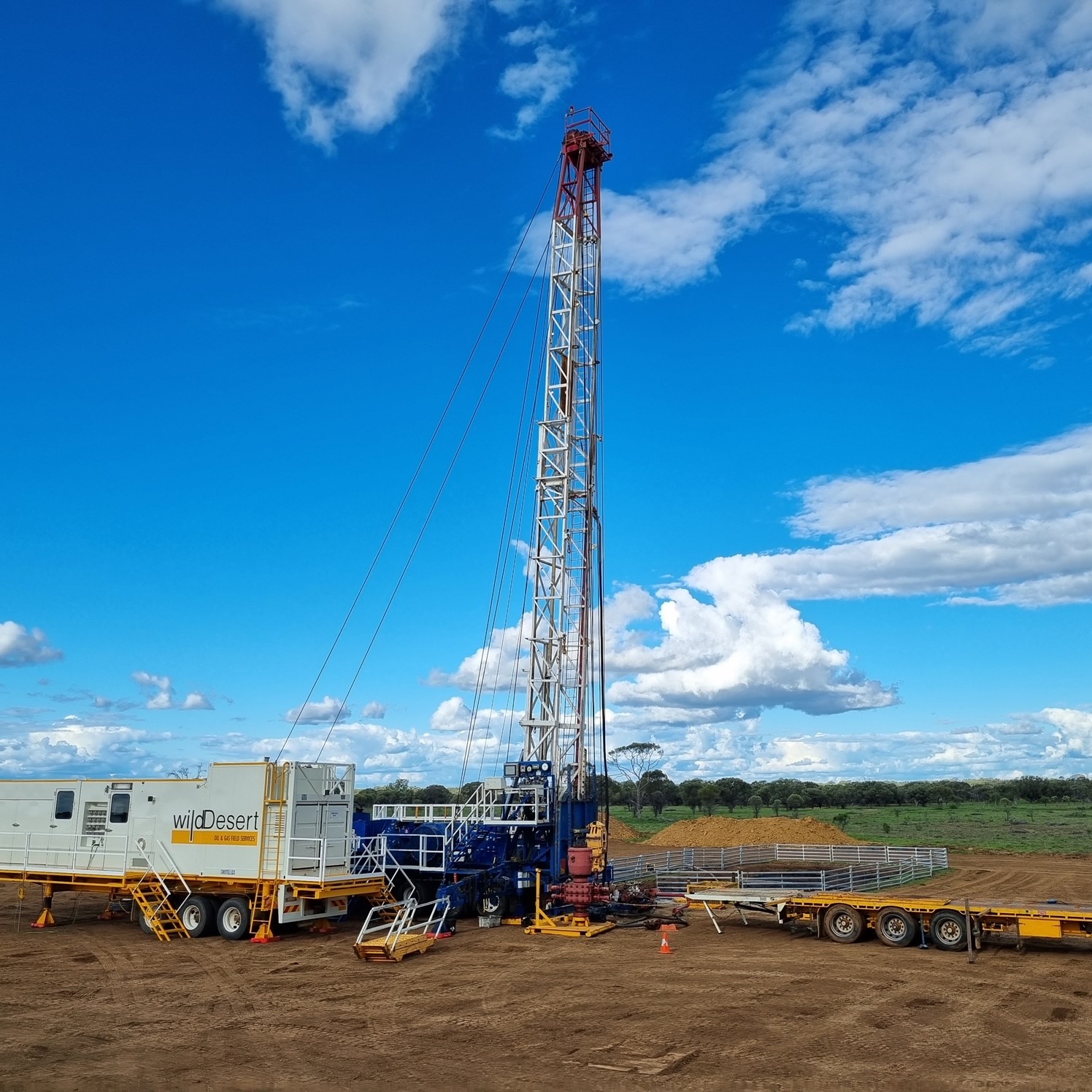
Loss of containment in a gas field is a low-frequency, high-consequence event. We have adopted the ten process safety fundamentals shown above, and manage containment through barriers, well integrity, and the discipline of never walking past a degraded safeguard.
People make mistakes; systems should expect it. We design work so an error does not become an injury, and we investigate for cause rather than for someone to blame.
Most of what keeps a site safe is invisible because nothing happened. We ask crews what makes the job hard, not just what went wrong, and we change the plan when they tell us.
Current, verified well control certification for the people who need it, and clear escalation authority when subsurface conditions differ from what was planned.
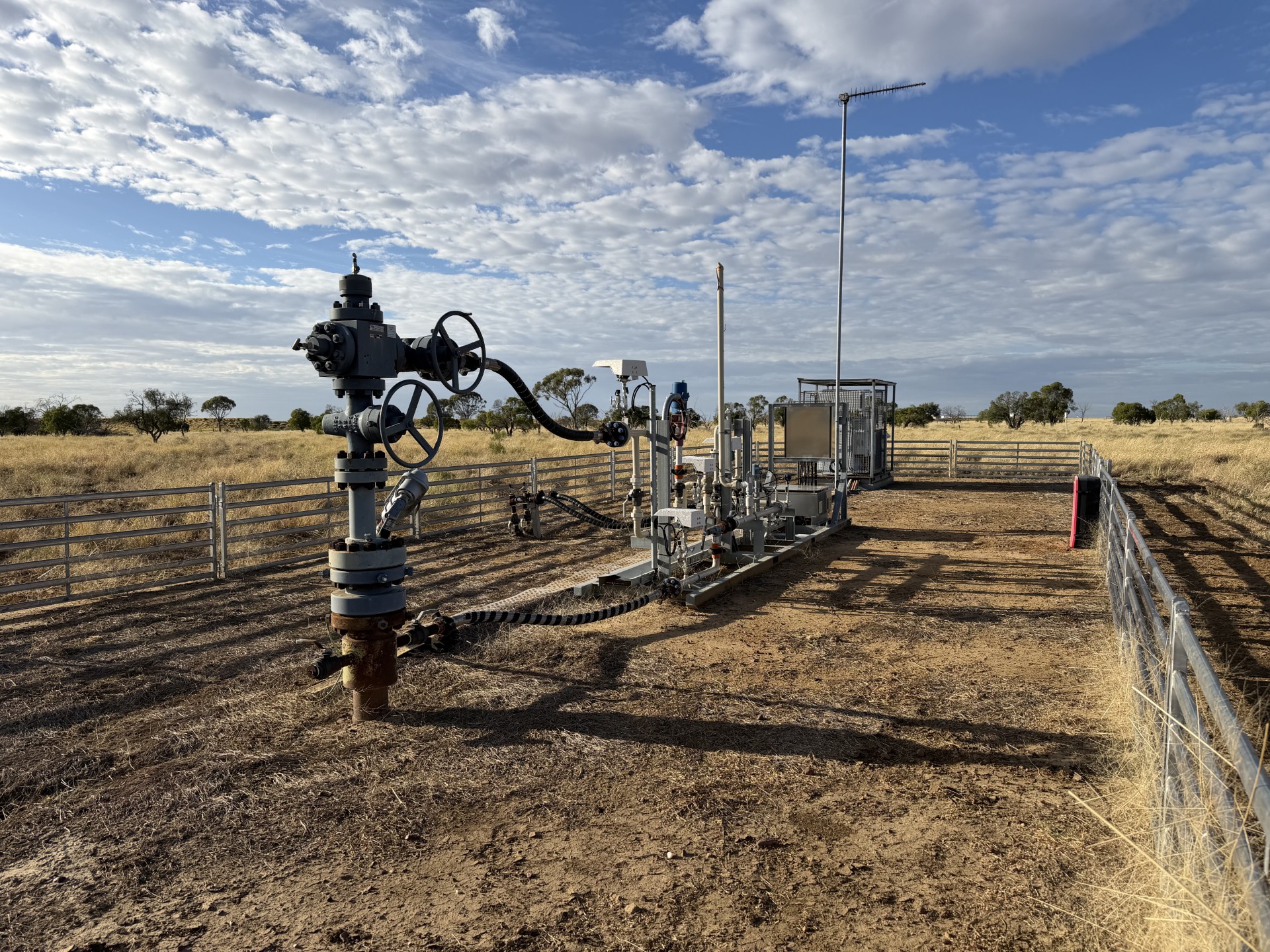
Remote fields mean long distances on unsealed roads, and driving remains the largest single cause of fatalities in our industry. Journeys are planned, vehicles are fit for the road, and nobody drives tired to make a schedule.
Rosters, shift lengths and travel are managed so that judgement is not the thing that fails first. Emergency medical response is arranged before crews mobilise, not after something happens.